


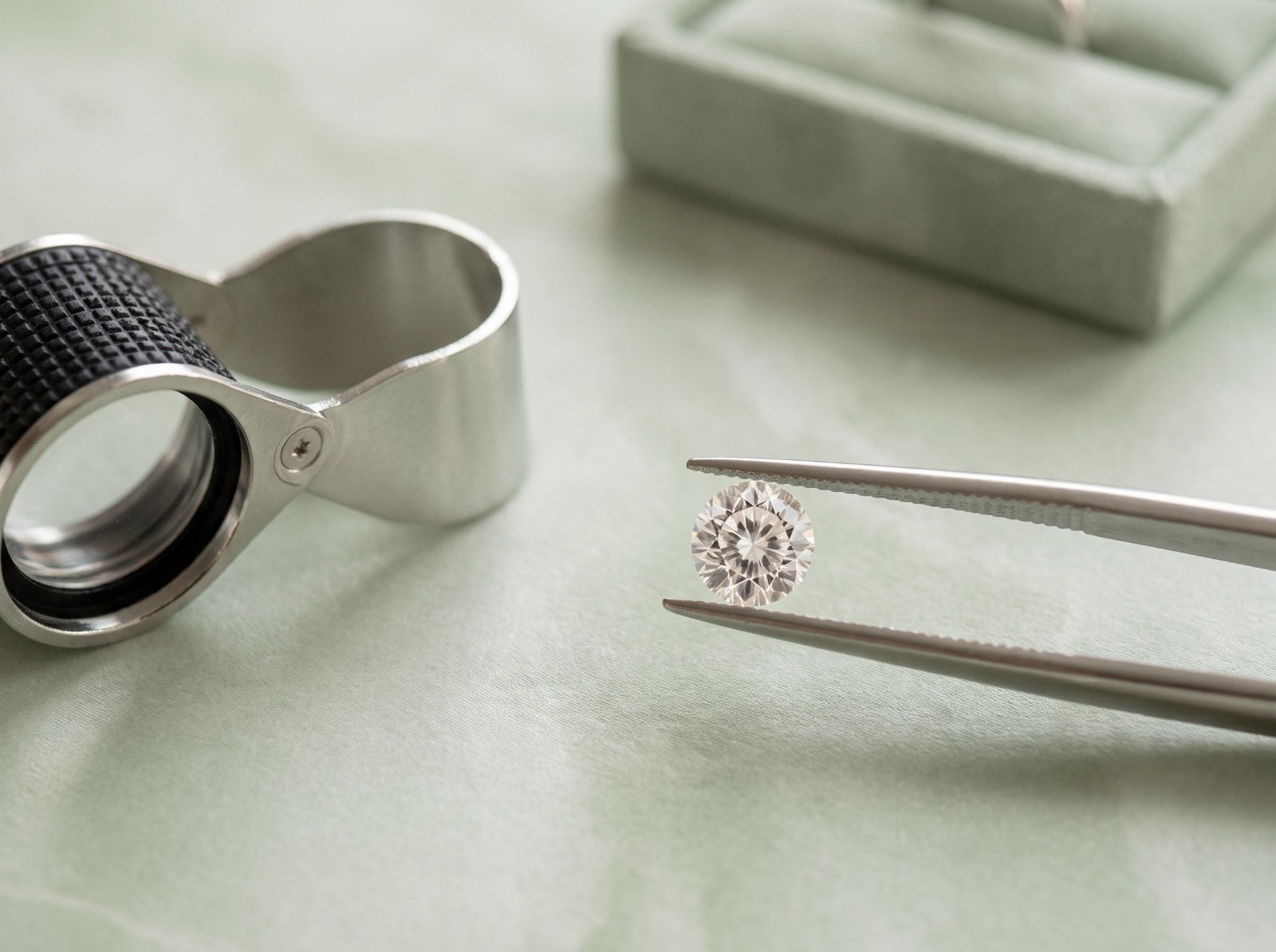
A good care routine doesn't mean intensively cleaning jewelry after every use. The main goal is to gently reduce residue buildup on the surface, avoid harsh chemicals, store pieces without them rubbing against each other, and detect potential signs of damage early.
Manage Daily Contact
Throughout the day, rings can come into contact with soap, cream, perfume, hair products, and substances used during household chores. These products can leave a film on metal and stone surfaces. Applying perfume, hairspray, and cosmetics before putting on jewelry helps reduce direct contact.
GIA states that chemicals like chlorinated pool water and household cleaning products can damage precious metals or cause discoloration. It's a more cautious approach to remove jewelry when cleaning or swimming. Do not leave removed pieces in places where they can easily be lost, such as on the edge of a sink or in an open pocket.
Gentle Cleaning Steps
For routine cleaning, warm water and a small amount of mild soap can be used. After briefly exposing the jewelry to water, gently clean hard-to-reach areas with a very soft, clean brush. Do not apply hard pressure to prongs, stone settings, and fine details.
Ensure the drain is closed during rinsing. Use clean water to ensure no soap residue remains and gently dry the piece with a soft, lint-free cloth. Opt for a clean cloth designated for jewelry rather than surfaces with harsher fibers like paper towels.
Why is caution needed with ultrasonic cleaning?
Ultrasonic devices use vibrations and may not be equally suitable for every jewelry structure. The risk can vary if the stone setting is loose, if the piece has been impacted, or if there is no definite information about the stone's treatments. Therefore, do not follow general ultrasonic cleaning recommendations without a professional assessment of the product's structure.
Separate and Secure Storage
While diamond is a very hard material, this doesn't mean all parts of the jewelry are scratch-proof or damage-proof. One piece of jewelry can rub against the metal surface or stone of another. Storing rings in separate compartments, soft pouches, or in a way that prevents them from touching each other reduces the risk of scratching.
It is beneficial for the storage area to be dry, clean, and easily inspectable. Keeping chained pieces enclosed to prevent tangling and placing rings separately from hard objects ensures order in daily use.
Remove During Strenuous Activity
Removing jewelry during sports, gardening, weightlifting, or repeated contact with hard surfaces reduces the risk of the metal scratching, bending, or being impacted. Wearing gloves does not always provide sufficient protection; pressure can still be transferred to the ring.
Frequency of Routine
There is no fixed schedule for cleaning that applies to everyone. The frequency of use, cosmetic contact, and how quickly the piece accumulates residue can vary. Gentle cleaning when visible residue builds up may be more balanced than unnecessary daily treatment.
Make it a habit to perform a quick visual check before wearing jewelry. If you notice a new change in the stone's position, the prongs, or the band, do not try to hide the problem by cleaning it. It is safer to stop using it first and get an appropriate assessment.
If you notice any thread or fabric fiber caught around the stone during maintenance, do not pull it. This may indicate that the prongs need to be checked separately.
Signs That May Require Inspection
If you feel the stone moving in its setting, if one of the prongs looks different from the others, if there is a noticeable bend in the metal, or if the piece has taken a hard impact, stop using it. A proper professional inspection can help assess the potential problem before it escalates.
These maintenance recommendations are general and cautionary. They do not constitute a maintenance, repair, or warranty service verified by Nilya. Instructions in the product's own documentation, if any, take precedence for a specific product.