


Nilya Guides
Diamond Guide
Understanding a diamond begins with considering form, light and gemological information together.
What is a Lab-Grown Diamond?
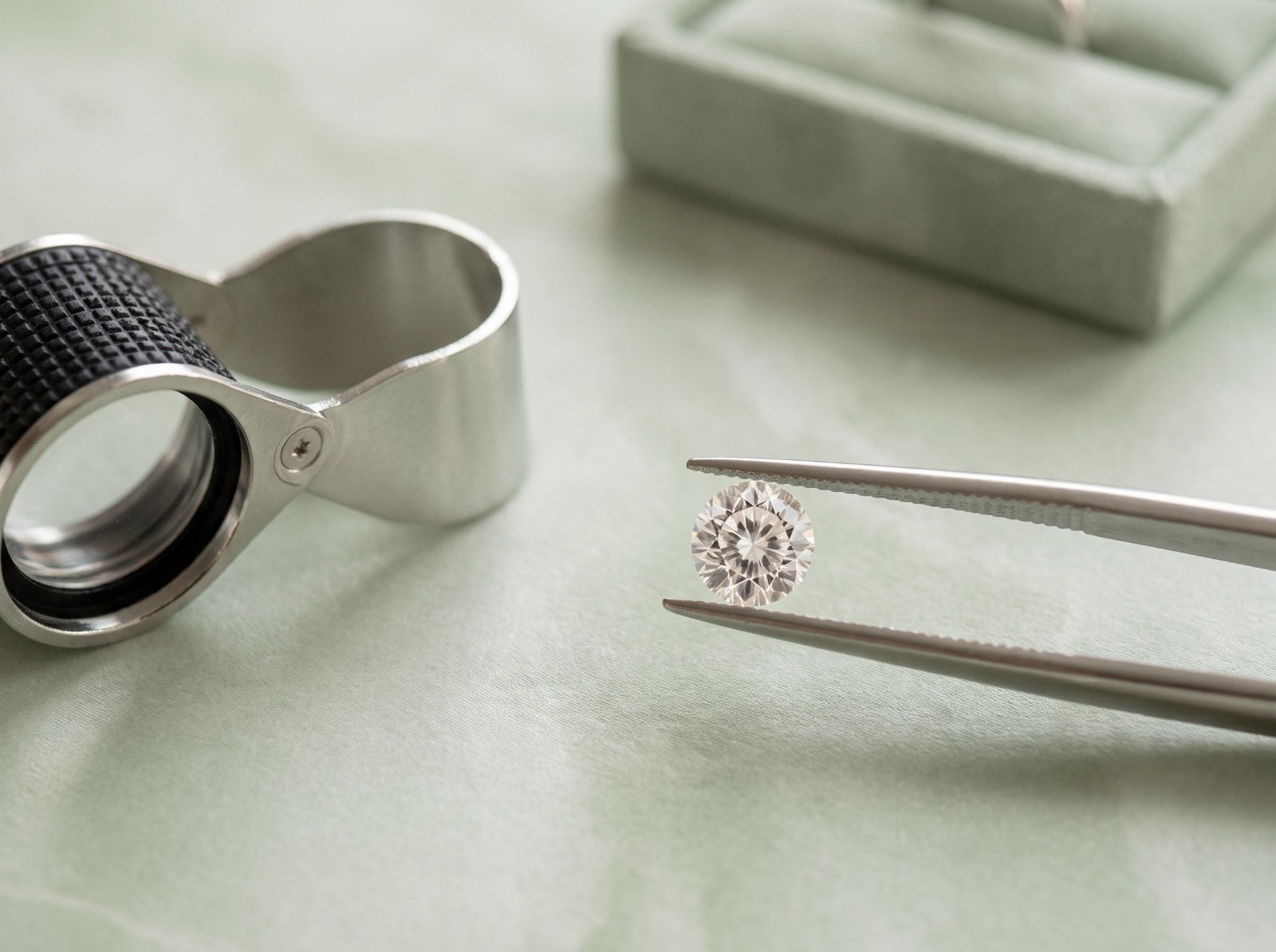
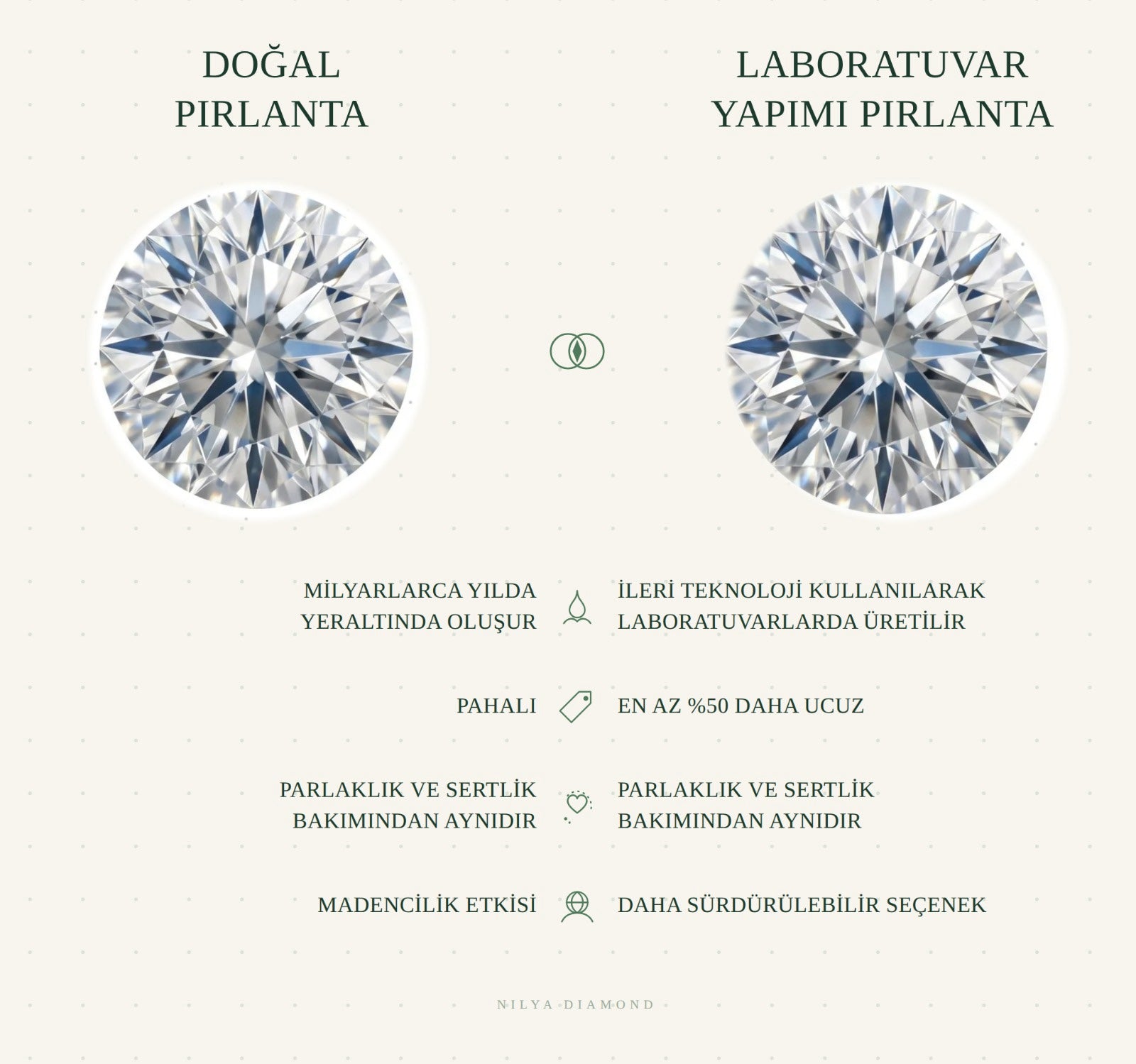
A lab-grown diamond is produced by recreating the pressure and heat conditions that occur naturally over millions of years in a controlled environment. The result is a pure carbon crystal with the exact same atomic structure as a natural diamond: the same hardness, the same refractive index, the same brilliance. The only difference is its origin.
International gemological institutions also evaluate and certify lab-grown diamonds using the same 4C standards. Nilya's current ring selection may include IGI, HRD and GIA certified stones.
Shape and cut are not the same thing
Shape refers to the external form of the diamond when viewed from above; names like round, oval, emerald, pear, or marquise describe this form. Cut, on the other hand, focuses on how light interacts with the stone through the proportion, symmetry, and polish of its facets. Therefore, two stones with the same shape may display light differently due to varying cut characteristics.
When reading product information, considering the shape first, followed by the cut and other gemological details if available, as separate headings, provides a clearer comparison.
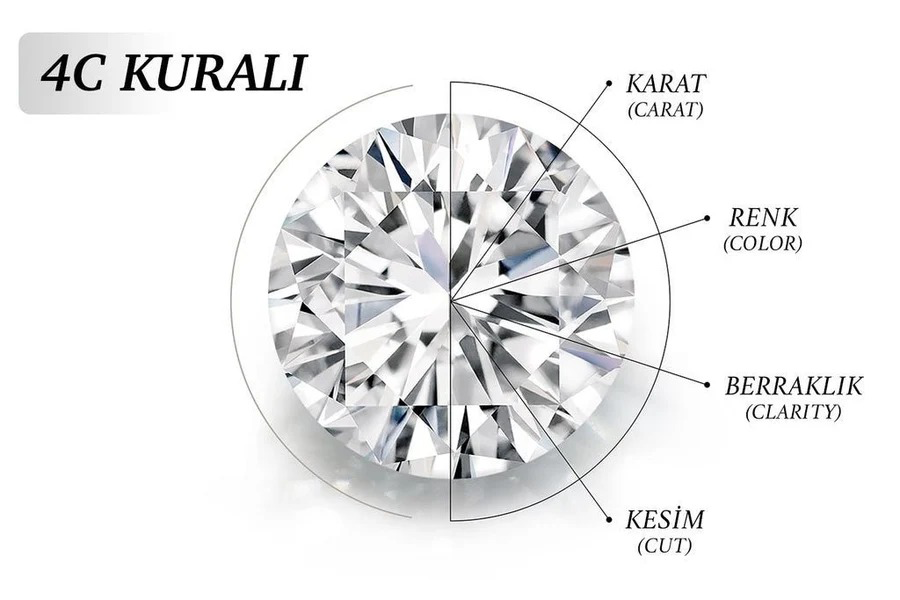
What do the 4Cs describe?
The 4C values are read together. A high or low rating in a single category does not solely explain the overall appearance of the stone. Personal preference, shape, light behavior, and budget are also included in the evaluation.
What does a gemological report record?
A gemological report presents the recorded characteristics of the associated stone during examination in an organized format. Depending on the report type, it may include shape and cut style, measurements, carat weight, color, clarity, polish, symmetry, fluorescence, comments, or distinguishing features. It should not be assumed that every report will contain the same fields; the report's own headings should be read.
IGI states that what is commonly referred to as a "certificate" is actually a grading report. The report does not serve the same function as a guarantee or appraisal document. Nilya's current ring selection may include IGI, HRD and GIA certified stones. This information does not imply the existence of unstated color, clarity, or cut grades for individual products.
How to read product information?
Examine the title and image together
Determine the shape and the general silhouette of the design; do not substitute the image for the technical grade.
Separate material and stone information
Evaluate the gold purity and color, and the stone's carat and certificate information under separate headings.
Read the report fields individually
If available, check records such as report number, measurements, and grades against the document's own statements.
Do not assume missing information
If a grade, origin, or characteristic is not found on the product page, ask Nilya a question.
This guide provides general information. When making a decision about a specific product, the current product information and associated product documents for that item should be taken as primary.
A diamond is defined by more than a single value.
NILYA DIAMOND
Bring knowledge together with the collection.
Browse the current rings or share your questions about product information.