


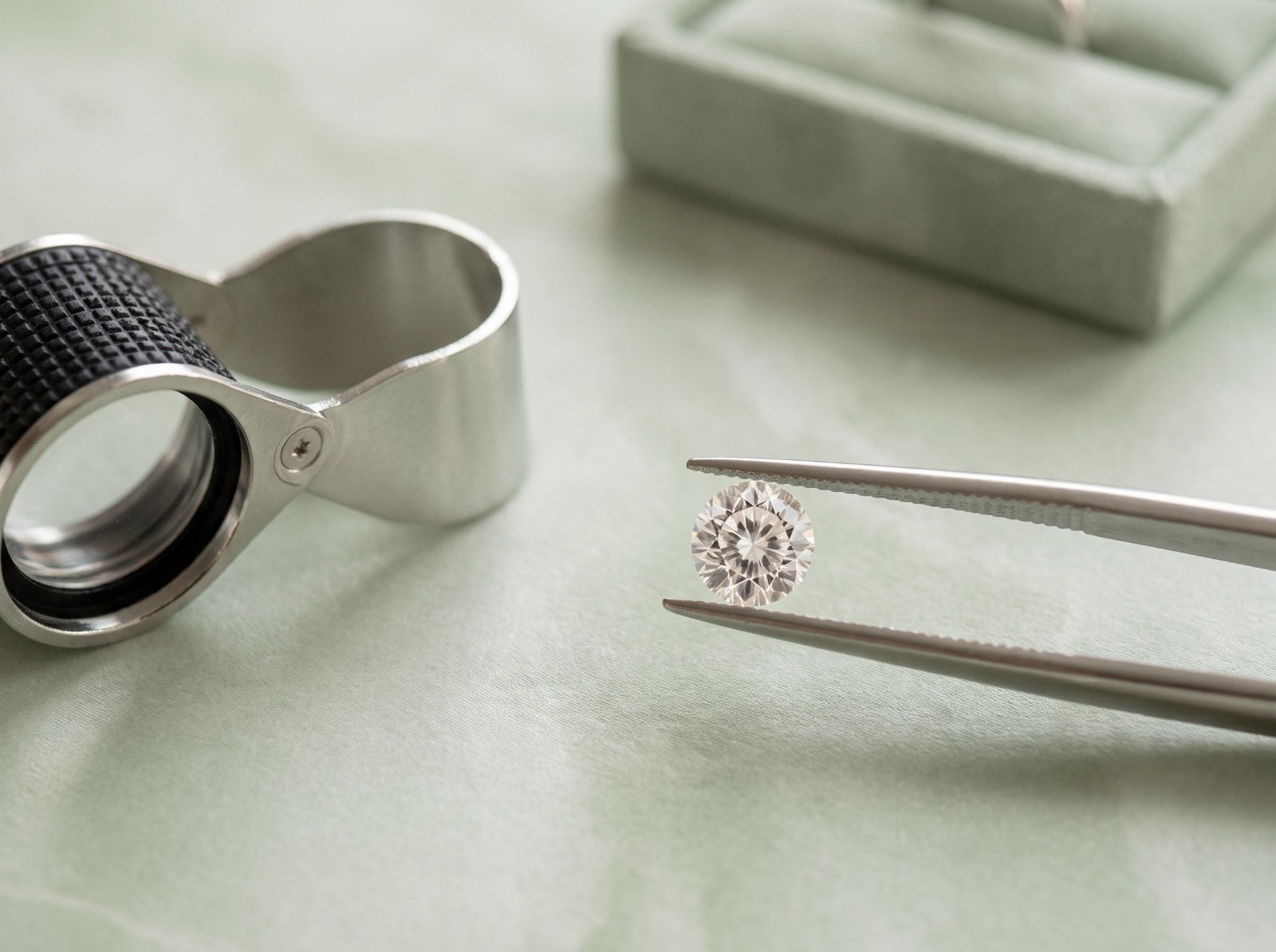

Information describing diamonds often revolves around four short headings: cut, color, clarity, and carat weight. This framework, known as the 4Cs, helps evaluate stones using the same language. However, the 4Cs is not a prioritized list; each heading records a different aspect of the stone and is considered in conjunction with the others for a meaningful reading.
First, distinguish shape from cut
Shape is the external form of a diamond as seen from above. Names like round, oval, emerald, pear, and marquise describe the shape. Cut, on the other hand, is concerned with the proportions, symmetry, polish, and interaction with light of the facets. Although these two concepts are sometimes used interchangeably in everyday language, it is important to distinguish them when evaluating product information.
GIA explains cut through how the diamond's facets interact with light. This interaction contributes to visual results such as brightness, flashes of colored light, and the light-dark pattern seen during movement. This is one reason why two stones with the same external shape can look different.
Cut: the arrangement of light
The cut heading helps understand not only the form of the stone but also how light is directed within and on its surface. Records such as proportion, symmetry, and polish can become important here. It should not be assumed that the same evaluation method is used for every shape; the areas presented in the report should be read in their own context.
Color: a record of visible tone
Color evaluation refers to the color appearance of the stone within specific grading systems. If a specific color grade is not written on the product page, this information should not be estimated. Since photographs, screen settings, and ambient light can alter color perception, gemological records and visual impressions are not the same thing.
Clarity: internal and surface characteristics
Clarity is related to the visibility, size, position, and nature of inclusions within the stone and its surface characteristics. Some of these characteristics may not be visible to the naked eye. If a clarity grade is present, it should be evaluated in conjunction with other information in the report; a single letter or number does not describe the entire appearance on its own.
Carat: weight, not size
Carat is the unit of weight for a diamond. According to GIA, one metric carat is equal to 0.2 grams. Two stones of the same carat weight may appear to be different sizes from above due to differences in shape and proportion. Therefore, it is incorrect to directly interpret carat as a direct equivalent of visible diameter or overall quality.
The role of the gemological report
A gemological report organizes the information recorded during the measurement and evaluation for the associated stone. IGI states that what is commonly referred to as a certificate is a grading report. The report is not the same document as a guarantee, sales price, or insurance valuation.
Nilya's current ring selection uses IGI-certified stones. This verified information does not mean that unstated color, clarity, cut grade, or stone origin can be assumed for every product. If you find a detail missing on a specific product page, you can ask Nilya and examine the relevant sections of the document associated with the product.
When checking the report
Keep areas such as the report number, date, and basic measurements of the stone on the document together with the product. If there is a digital verification link, open the address directly from the official website of the issuing institution. Do not use text seen in a product photo as a substitute for the full report or current verification record.
The fact that the report is associated with a specific stone does not explain the other commercial terms of the ring. Price, gold color, ring size, and purchase option should be read from the current information on the Shopify product page. Issues such as warranty, delivery, and returns are outside the scope of the gemological report.
Reading together
The healthiest way to evaluate the 4Cs is to first determine your personal priority, and then read each heading in conjunction with the others. Shape preference, light appearance, carat weight, and the overall proportion of the product come together in the same decision. Instead of a single "best" value, the entirety formed by verified information is important.